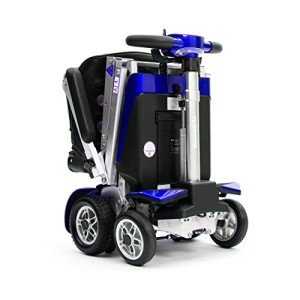
Understanding Mobility Scooters: A Comprehensive Guide
Mobility scooters have ended up being a vital tool for individuals who face mobility difficulties, offering self-reliance and a means of transportation. They are designed to assist users in browsing numerous surfaces, whether inside or outdoors, permitting them to engage more totally in daily activities. This short article will explore the kinds of mobility scooters, their features, benefits, and considerations for prospective users.
What is a Mobility Scooter?
A mobility scooter is a motorized vehicle produced people with physical restrictions. It helps users maintain their mobility and independence, supplying a reliable methods of transportation over short distances. While they might look similar to small electric vehicles, mobility scooters are usually powered by batteries, with controls designed for ease of use.
Types of Mobility Scooters
There are several types of mobility scooters offered in the market, each designed to cater to various needs and choices. Here's a breakdown of the most common types:
| Type of Mobility Scooter | Description | Best For |
|---|---|---|
| Three-Wheeled Scooters | These scooters use excellent maneuverability and small turning radius but may do not have stability. | Indoor usage and tight areas. |
| Four-Wheeled Scooters | Frequently more stable than three-wheeled models, these scooters are ideal for outdoor usage. | All-terrain travel and outside activities. |
| Portable Scooters | Lightweight and foldable, these scooters are designed for simple transportation. | Travelers and individuals with restricted storage area. |
| Sturdy Scooters | Constructed for bigger users, these are robust and can deal with heavier weights, typically equipped with better battery life. | Users requiring additional assistance and stability. |
| Feature-Rich Scooters | These might include innovative innovation such as Bluetooth connectivity, integrated GPS, and adjustable seating. | Tech-savvy users trying to find comfort and benefit. |
Key Features of Mobility Scooters
When choosing a mobility scooter, buyers must think about a number of vital features. The following list outlines important elements that can significantly influence their experience:
- Weight Capacity: Understanding the scooter's weight limit is essential to ensure security and performance.
- Battery Life: A longer battery life equates to more extended use in between charges, which is crucial for prolonged journeys.
- Speed: Typical mobility scooters can reach speeds in between 4 to 8 miles per hour, however it's important to choose one that suits the user's needs.
- Convenience: Look for adjustable seats, armrests, and back-rests that boost the general riding experience.
- Portability: If taking a trip often, a lightweight and collapsible scooter is useful.
- Terrain Capability: Some scooters are much better geared up for rough terrains, while others work best on smooth surfaces.
Benefits of Using Mobility Scooters
Mobility scooters provide several advantages that can significantly improve users' lifestyle. These consist of:
Increased Independence
Lots of people who have a hard time with mobility depend on family or caregivers for transportation. Mobility scooters empower users to move about easily and perform errands on their own, cultivating a sense of independence and self-sufficiency.
Improved Quality of Life
Having the capability to travel unassisted can result in social engagement, improved psychological well-being, and in general better lifestyle. Users can take part in social activities, see family and friends, and explore their communities.
Cost-Effectiveness
Compared to other mobility help or services, mobility scooters can be more cost-effective. They can remove the need for expensive changes to homes or reliance on transport services.
Adjustability and Customization
Numerous mobility scooters include choices for customization, ensuring that users can customize them to best fulfill their private needs.
Factors to consider Before Purchase
Before deciding on the right mobility scooter, possible buyers must keep these considerations in mind:
- Lifestyle Needs: Assess how the scooter will fit into daily routines, consisting of the frequency and locations of use.
- Trial Rides: If possible, taking a couple of designs for a test drive can assist gauge comfort and maneuverability.
- Budget: Costs can vary commonly, so defining a spending plan upfront is vital.
- Warranty and Service: Always consider the service warranty provided and the availability of consumer service in case of repairs.
FAQs About Mobility Scooters
1. How fast do mobility scooters go?
Mobility scooters typically range from 4 to 8 miles per hour, depending on the model and its power capacity.
2. Are mobility scooters covered by insurance coverage?
Many insurance coverage plans may cover part of the expense if a medical professional prescribes the scooter; however, policies differ considerably.
3. Can I drive a mobility scooter on the roadway?
This depends on regional laws and policies. In some areas, mobility scooters might be allowed on public roadways, while in others, they are restricted to sidewalks and pathways.
4. The length of time does the battery last?
Battery life usually depends on the scooter model and kind of use. Typical mobility scooter batteries can last anywhere from 6 to 12 miles on a single charge.
5. Are mobility scooters safe?
Mobility scooters are typically safe when utilized properly. It's necessary to familiarize oneself with the controls and operate them properly.
Mobility scooters play a vital role in the lives of people with mobility challenges. By comprehending the types, functions, benefits, and considerations associated with these vehicles, users can make informed options. Jay Barie can lead to increased independence, a better lifestyle, and renewed access to the world around them. Whether for social getaways, errands, or recreational activities, a mobility scooter can be a life-changing investment for numerous people.